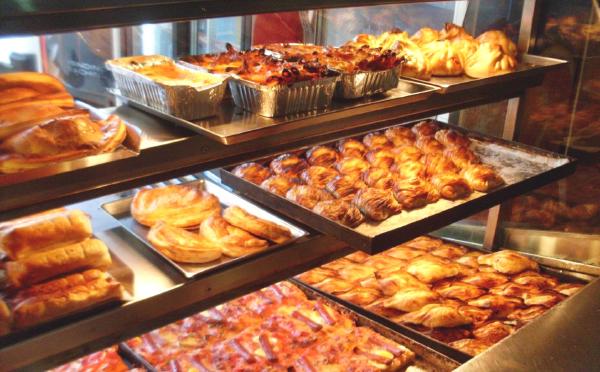
ℹ️ Short answer: Maltese food is a 5,000-year layer cake — Phoenician fish, Arab spices, Sicilian pasta, North African pulses, British pies, all eaten on the limestone of a tiny island that taught itself to grow tomatoes the size of fists. The 15 dishes below are the ones to actually order: pastizzi, ftira, hobż biż-żejt, bigilla, fenek, lampuki, aljotta, bragioli, ravjul, kapunata, qaqocc mimli, kannoli, imqaret, prinjolata, and the Gozitan ftira (different from Malta’s). Skip the “international Mediterranean” hotel menus and stick to small family restaurants and bakeries. A useful thing to know about Malta: the island has been conquered, gifted, ruled, and squatted on by Phoenicians, Carthaginians, Romans, Byzantines, Arabs, Normans, Sicilians, the Knights of St John, French Napoleonic forces, and the British Empire — usually in that order, sometimes overlapping. Each one left ingredients, techniques, or whole dishes behind. The Maltese kept what worked.
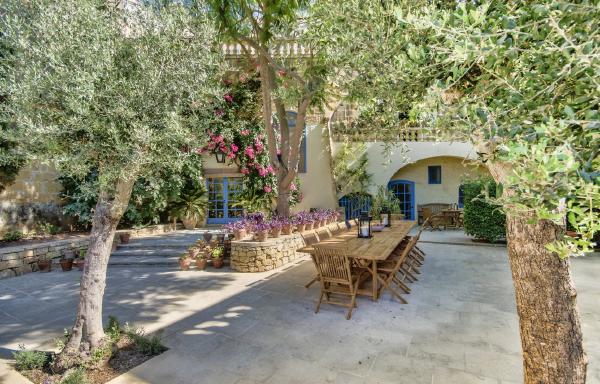
ℹ️ Short answer: Mdina has only a handful of in-walls hotels (the Silent City has 250 residents, not 25,000), and The Xara Palace is the headline luxury pick. Just outside the walls in Rabat, Casa Melita and several smaller boutique guesthouses run at lower rates. Gozo is the boutique-and-farmhouse heaven — Cesca Boutique Hotel and Quaint Sannat lead the boutique pack, while traditional Gozitan farmhouses for whole-house rentals (€120–300/night, sleeping 4–8) are one of the best lodging experiences in the Mediterranean. Book 8–12 weeks ahead for summer. Mdina and Gozo are the two parts of the Maltese islands that reward slowing down. Both have boutique-hotel scenes that have grown quietly over the last decade — Mdina because the in-walls building stock is finite (so the conversions get serious treatment), Gozo because rural farmhouses became the Airbnb-and-boutique-hotel rehab project of the 2010s. The result: in Mdina you can sleep in a 17th-century palace overlooking the bastion walls, and in Gozo you can sleep in a converted three-century-old farmhouse with its own pool and a 360° view of nothing but limestone fields and church domes.
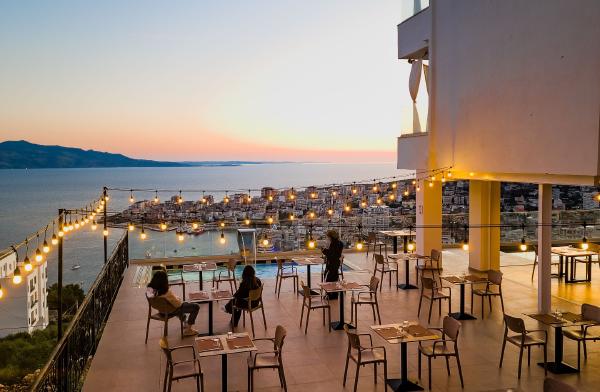
ℹ️ Short answer: For most first-timers staying 3–7 days without a car, Sliema is the right base — it’s mid-priced, has the ferry to Valletta, the boat departures for Comino, and a thousand restaurants. Pick Valletta if you want to be inside the postcard and you’re OK paying 30–40% more for a smaller room. Mellieħa wins for families who want a beach. Mdina or Three Cities (Birgu) wins for a quieter, more romantic stay. Paceville is for nightlife only — avoid otherwise. Skip Buġibba unless your priority is a budget package deal. Malta is small — 27 km long — so wherever you stay, you can reach the rest of the island in under an hour. That sounds liberating until you realise it means every hotel claims it’s “perfectly located,” and the actual differences between neighbourhoods are about vibe, transport convenience, and price-per-square-foot rather than distance to the sights.
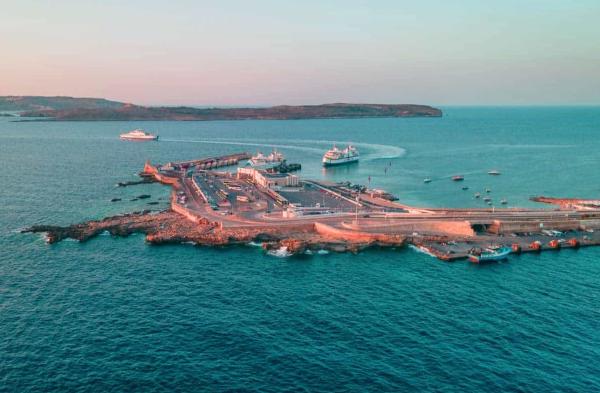
ℹ️ Short answer: The Gozo Channel ferry from Ċirkewwa (Malta) to Mġarr (Gozo) runs every 30–45 minutes in summer, takes 25 minutes, costs €4.65 return as a foot passenger (paid only on the way back from Gozo) and €15.70 return with a car. No advance booking — show up and pay. There’s also a Valletta fast ferry to Mġarr (45 minutes, €7.50 single) that saves the bus to Ċirkewwa if you’re staying in Valletta. Avoid Friday afternoons and Sunday evenings — car queues hit 90+ minutes. The ferry to Gozo is the smoothest piece of public transport in Malta, which is faint praise but accurate. Two boats, a 25-minute crossing, no booking, pay on the way back, and you’re on the second island. The whole system has run roughly the same way for decades and works because of it.
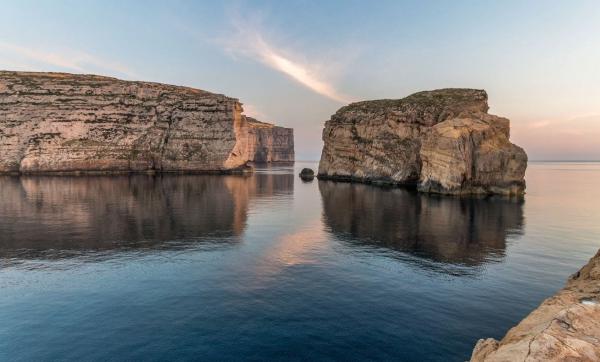
ℹ️ Short answer: The best Gozo day trip from Malta in 2026 is a small-group jeep tour from Mellieħa or Sliema (€75–95), which covers Dwejra, Tal-Mixta Cave, Ramla Bay, the Citadel, and a Gozitan lunch in one tightly-run day. The cheapest is DIY by ferry and bus (~€20 round trip including transport), the most fun in good weather is a quad-bike self-drive (€100/quad), and the laziest is the coach + Citadel + lunch combo (€55–70). The best advice we can give: if you can possibly stretch to two nights on Gozo, do that instead — see our 5-day Malta and Gozo itinerary for why. Gozo is the second-largest of the Maltese islands and, in the opinion of every Gozitan and most second-time visitors, the better one. Half the population per square kilometre, almost no traffic, red-sand beaches, the cliffs at Dwejra, the medieval Citadel of Victoria, dinners that don’t end at 22:00. The catch: Gozo doesn’t fit in a day. The bus-and-ferry chain alone costs you 90 minutes each way, and the headline sights are spread across an island that’s 14 km tip to tip.
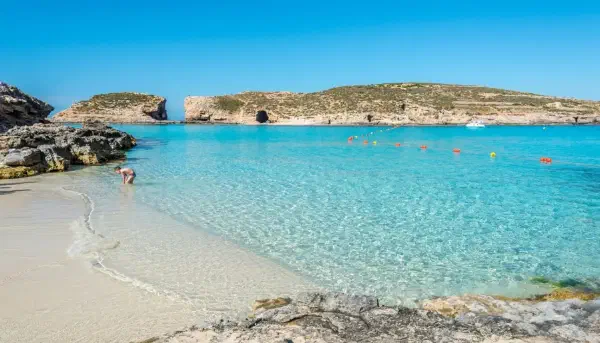
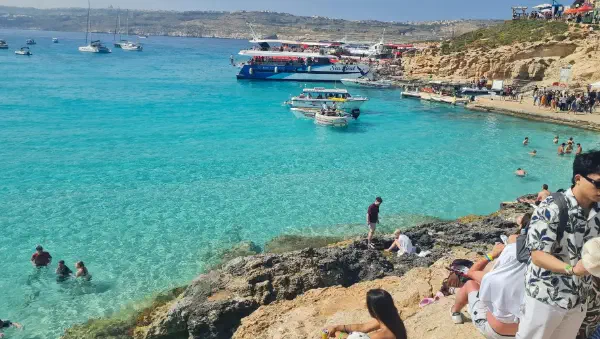
ℹ️ Short answer: The cheapest way to the Blue Lagoon is the Comino shuttle ferry from Ċirkewwa (~€15 round trip, runs every 30 minutes in summer). The most popular way is a full-day cruise from Sliema that adds the Crystal Lagoon, Gozo’s caves, and lunch (€35–45). The most enjoyable way — if you can spend €60–90 — is a small-group catamaran or RIB that arrives early or late and skips the worst of the midday crush. Whichever you choose, avoid 11:30–14:00 in July and August — the Lagoon is unrecognisable from the brochure photos at that hour. The Blue Lagoon — the impossibly turquoise channel between Comino and the tiny islet of Cominotto — is the photo every Malta brochure leads with, and it deserves the hype. The water really is that colour. The catch is that 6,000+ people a day arrive in the high season, almost all of them on the same big boats, almost all in the same three-hour window. Get the timing wrong and you’re elbowing toward a swim spot in water the colour of swimming-pool chemicals. Get it right and you’re floating in something genuinely surreal.
ℹ️ Short answer: The single best-value tour in Malta is the full-day Comino + Gozo + caves boat cruise from Sliema (€35–45) — it covers the Blue Lagoon, the most photographed coastline on the island, and Gozo all in one day. Pair it with a Valletta walking tour (€20–35) for context on the city’s history and you’ve covered 80% of what most people come to Malta for. Below are 11 tours we’d actually book — sorted by who they’re for, with the trade-offs we’d want a friend to flag for us. There’s a tour for every square kilometre of Malta and a tout for every restaurant in Sliema. The trick isn’t finding tours — it’s finding the right one for the trip you’re actually trying to have. A first-timer with three days needs different tours than a returning diver, a family with two kids, or a couple celebrating an anniversary.
ℹ️ Short answer: Malta in winter (Nov–Mar) is mild (12–18°C daytime), half-empty, and 40–60% cheaper than summer. The sea is too cold for comfortable swimming, some Gozo restaurants close for the season, and Comino boat tours scale back hard. What works brilliantly: Valletta and Mdina at their atmospheric best, hiking the Dingli–Buskett–Gozo coast, food (rabbit-stew season), and museum-and-cathedral days without queues. This 4-day itinerary covers Valletta, Three Cities, Mdina/Rabat and a Gozo day-trip, all without a swimsuit or a sweat. Most travel writing about Malta is summer writing. Beach writing. Sun writing. Which is fine — Malta in July is genuinely great if you’ve made peace with crowds and 35°C heat. But Malta has a quieter trick: from mid-November to mid-March the islands turn into the warmest, cheapest, most walkable corner of Europe with restaurants you can actually get a table at and a Mdina bastion-wall view that’s all yours.
ℹ️ Short answer: Seven days is the sweet spot for Malta. Spend 4 nights based in Sliema or Valletta (Valletta + Three Cities + Mdina + a south-coast or Marsaxlokk day), then 3 nights in Gozo with Comino slotted in on the return ferry day. You don’t need a car if you base in Sliema and hire one only for Days 4–7. Total budget for a couple, mid-range: €1,400–2,000 all-in excluding flights. A week in Malta is enough to see almost everything that matters — but only if you don’t try to do everything every day. Malta is small (316 km²) but the bus rides are slow, the heat in summer is real, and ten minutes more at lunch in a Marsaxlokk waterfront restaurant beats a third museum every single time. This is the itinerary we’d give a first-timer who has 7 nights, wants the highlights without the death-march pacing, and would rather come home rested than ticked-off-a-list.
ℹ️ Short answer: Five days is the sweet spot for Malta and Gozo together — three nights on Malta (Valletta or Sliema), two nights on Gozo. Day 1 Valletta and the Three Cities, Day 2 Mdina and the south coast, Day 3 ferry to Gozo with a slow afternoon, Day 4 Gozo’s coast and the Citadel, Day 5 Comino’s Blue Lagoon on your way back. You’ll see the highlight reel without rushing, and Gozo gets the time it actually deserves rather than a frantic day trip. Most Malta-and-Gozo itineraries make the same mistake: they squeeze Gozo into a single 8-hour day-trip and then wonder why it didn’t feel like much. Gozo’s whole pitch is that it runs at a different speed — half the population per square kilometre, no traffic to speak of, dinners that finish when they finish. You don’t fix that with a coach tour. You fix it by sleeping there.