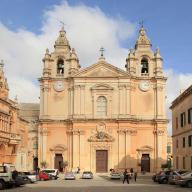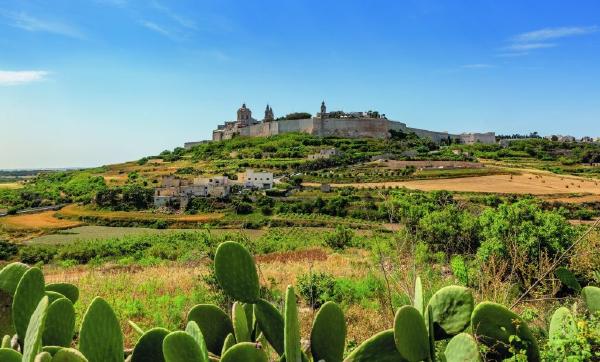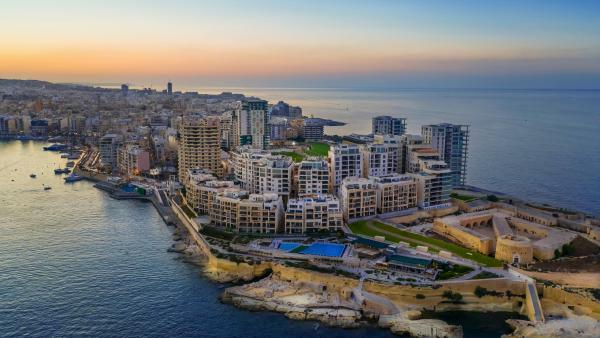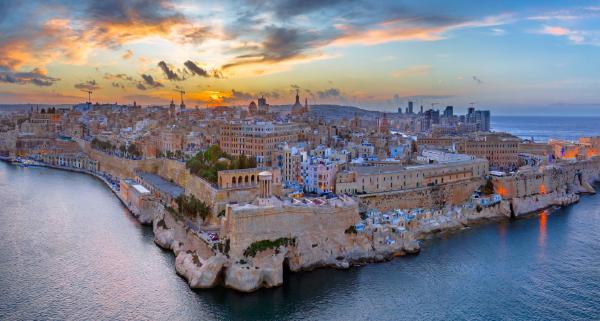
Most travel writing about Malta is summer writing. Beach writing. Sun writing. Which is fine — Malta in July is genuinely great if you’ve made peace with crowds and 35°C heat. But Malta has a quieter trick: from mid-November to mid-March the islands turn into the warmest, cheapest, most walkable corner of Europe with restaurants you can actually get a table at and a Mdina bastion-wall view that’s all yours.
This is the off-season itinerary we’d give a friend who’d rather wear a fleece than queue at the Blue Lagoon. Four days, no car required, designed around what’s actually open and worth your time in winter — not a rebrand of the summer itinerary with “warm clothes recommended” tacked on.
For a comparison with peak season, see our 3-day summer-friendly version and the month-by-month best time to visit Malta.
Some links below are affiliate links — they don’t change your price, and they help keep this guide running.
What “winter in Malta” actually means#
A few realities up front so you can pack and plan:
| Metric | Winter (Dec–Feb) | Shoulder (Nov, Mar) |
|---|---|---|
| Daytime temp | 12–17°C | 16–20°C |
| Night-time temp | 9–13°C | 12–15°C |
| Sea temp | 14–16°C (cold) | 17–19°C (brisk) |
| Rainy days/month | 8–12 | 5–8 |
| Sunshine hours/day | 5–6 | 6–8 |
| Tourist crowds | Very light | Light |
| Hotel prices vs Aug | −50–60% | −30–40% |
Crucially: Malta does not get truly cold. The Mediterranean keeps the air mild. What it does get is wet — a few days of proper rain a month, sometimes back-to-back. Pack a rain jacket, a fleece, and shoes you can walk wet limestone in.
What’s reduced in winter:
- Comino boat tours drop to weekend-only or stop entirely Dec–Feb
- The Ċirkewwa–Comino public ferry runs reduced timetables; check daily
- Some Gozo restaurants and small B&Bs close for 4–8 weeks (typically Jan)
- Sunset cruises mostly stop Nov–Mar; the Grand Harbour cruises run weather-permitting
- Beach kiosks all closed
What’s better in winter:
- Valletta — the old quarters feel medieval again without 12,000 day-trippers
- Mdina — properly silent, especially after 16:30
- Restaurants — locals’ restaurants get their tables back; you can walk into places that need a 2-week booking in July
- Hiking — the Dingli–Buskett–Wied iż-Żurrieq coast is at its best Dec–Mar (cool, green, wildflowers in Feb)
- Museums — no queues, properly explorable
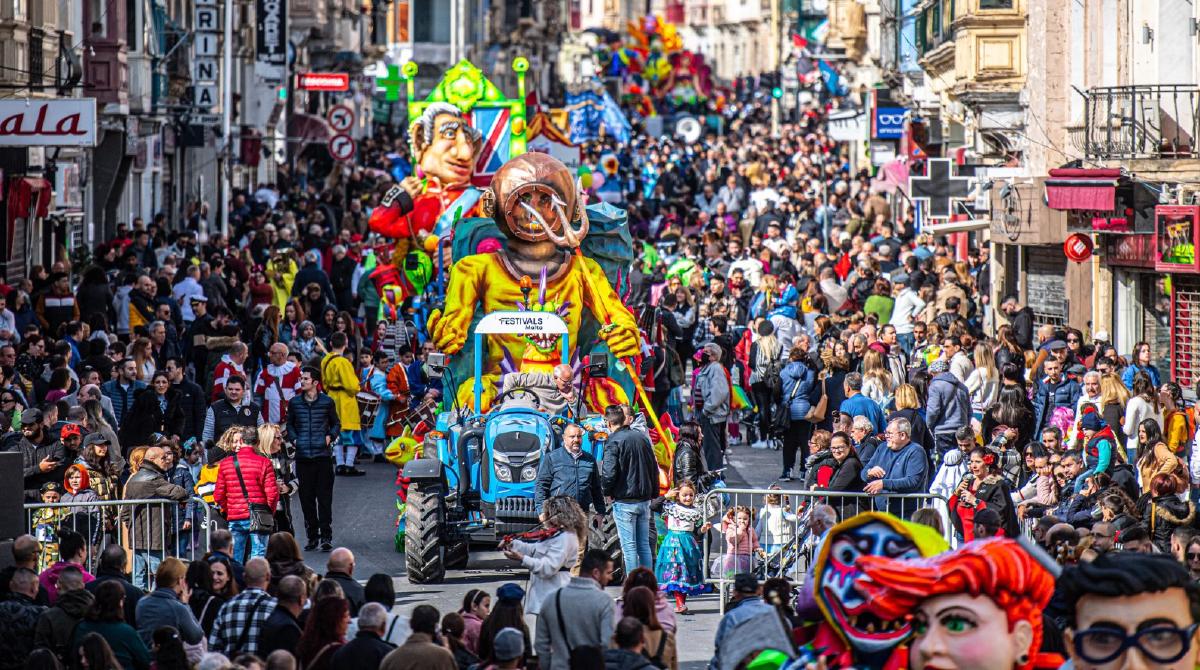
- Festas and Carnival — Carnival in Valletta and Nadur (Feb/early Mar) is one of the best events on the calendar
At-a-glance: the 4-day winter itinerary#
| Day | Base | Morning | Afternoon | Evening |
|---|---|---|---|---|
| 1 | Valletta/Sliema | Arrive, Sliema seafront walk | Ferry to Valletta, Upper Barrakka, St John’s Co-Cathedral | Dinner Strait Street |
| 2 | Valletta/Sliema | Valletta walking tour + Three Cities | War Museum / Lascaris War Rooms | Dinner Birgu |
| 3 | Valletta/Sliema | Mdina + Rabat | Dingli Cliffs hike + Buskett | Sunday rabbit lunch (if Sun) or Rabat dinner |
| 4 | Valletta/Sliema (day trip) | Ferry to Gozo, Citadel + Victoria | Dwejra coast, Xlendi waterfront | Late ferry back to Malta, dinner |
This version assumes you base in Valletta or Sliema for all 4 nights. In winter we’d skip the move to Gozo — fewer ferries, weather risk, and many Gozo dinners worth-having close for the season.
Day 1 — Arrive, ease in, Valletta golden hour#
Most winter flights arrive into a quiet Malta airport with no queues. The bus and taxi options are the same as in summer (full breakdown: airport to Valletta and Sliema) — but with shorter waits.
Plan:
- Airport → Sliema or Valletta by X1/X2/X3 bus (€2.50, ~45 minutes) or pre-paid taxi (€20).
- Drop bags, walk the Sliema seafront in the early afternoon. Sun usually still warm enough for a coffee outside until 15:30.
- Late afternoon: ferry to Valletta (€1.50, runs ~half-hourly, last ferry around 17:30 in Dec–Feb so check the timetable).
- St John’s Co-Cathedral before it closes (winter hours: 09:30–16:30 Mon–Fri, 09:30–12:30 Sat). The Caravaggio is at its best in low-season indoor light, no queue.
- Upper Barrakka Gardens for sunset (around 17:15 in mid-December). The Three Cities lit up across the Grand Harbour is the best free view in the country, and in winter you might be the only one there.
- Dinner on Strait Street — try Trabuxu for wine and small plates, Legligin for slow Maltese cooking, Noni if you want the Maltese-fine-dining version. All easier to walk into in winter.
Day 1 cost (couple, mid-range): €5 ferry + €30 St John’s (€15pp) + €40–60 dinner = €75–95 before transport from airport.
Day 2 — Valletta deep + Three Cities#
Same backbone as the summer itinerary, but with one big upgrade: the WWII museums are at their best when you’re not racing the heat.
Morning (09:30–12:30): A 2.5–3 hour paid Valletta walking tour that includes St John’s Co-Cathedral. In winter the small-group tours actually stay small (often 4–8 people, vs 12–15 in summer) and the guides have time to riff.
Valletta Highlights Walking Tour with St John's Co-Cathedral
Winter departures usually run once or twice a day (vs 3–4 in summer). Group sizes are noticeably smaller, the cathedral interior is empty, and the Caravaggio sees daylight properly through the Oratory window. Easily the best season to do this tour.
Compare formats in best Valletta walking tours.
Lunch (12:30–14:00): Nenu the Artisan Baker for a proper Maltese ftira sandwich, or a soup-and-pasta lunch at Rampila (built into the bastions, very good winter atmosphere). €15–25pp.
Afternoon (14:00–17:00):
Two strong winter-only picks:
- Lascaris War Rooms — the underground WWII command bunker where Malta’s air defence was run during the 1942 siege. €15, 90-minute self-guided audio. The single best museum in Malta and rarely crowded year-round.
- National War Museum at Fort St Elmo — €10, covers the WWII bombing campaign and the George Cross story. Pairs naturally with Lascaris.
Or take the water-taxi (€2) across the Grand Harbour to Birgu (Vittoriosa) for the Three Cities. In winter the Three Cities feel like a working Maltese town again, not a tour route. Walk the Birgu waterfront, climb up to Fort St Angelo (€10), wander the back streets to Senglea Point for the postcard view back at Valletta lit up.
Evening: Dinner in Birgu — Tal-Petut if you want a 6-course Maltese tasting (€55pp, book ahead) or Don Berto for a casual fish-and-pasta night.
Day 2 cost: €25 walking tour + €15 lunch + €15 Lascaris + €4 ferry + €40–55 dinner = €100–115.
Day 3 — Mdina, Rabat, Dingli (the best winter day in Malta)#
If we had to pick one winter day to spend on Malta, this is it. Mdina without the day-tripper crowds is one of the most atmospheric experiences in the Mediterranean, and the Dingli coast is greener and cooler than at any other time of year.
Morning (08:30–12:00): Bus 51/52/53 from Valletta to Rabat/Mdina (~30 minutes, €2 with Tallinja card). Walk into Mdina via the main gate, do St Paul’s Cathedral interior (winter hours 09:30–16:30, much quieter than summer), the bastion walls for the view, and stop at Fontanella for cake on the wall terrace (yes, even in 14°C, with a hot chocolate). Then over to Rabat for St Paul’s Catacombs (€8, winter hours roughly 09:00–16:30).
Lunch in Rabat: Crystal Palace for €0.50 pastizzi (the best in Malta, full stop), or a proper sit-down at Bobbyland at Dingli Cliffs (~€20pp, rabbit on the menu, Maltese wine, panoramic view).
For deeper coverage and tour comparisons see best Mdina & Rabat tours from Valletta.
Afternoon (13:30–16:30): Dingli Cliffs — a 2 km coastal walk along the highest cliffs in Malta (250m drop). In winter the cliffs are properly green, wildflowers come out in February, and the light is dramatic. From the chapel of Maddalena there’s a marked walking trail south toward Wied iż-Żurrieq if you want a longer 6 km hike. Bring water and a light fleece — it’s windier on the cliffs than in town.
If you’d rather do this guided, several operators run half-day Mdina + Dingli combo tours even in winter (€45–65, 5 hours, transport included).
Evening: Bus back to Sliema. If it’s a Sunday, this is the night for a Maltese rabbit lunch at United Bar in Mġarr (Malta-side) or Ta’ L-Ingliz — book a week ahead, expect €25–35pp, and don’t plan anything for after.
Day 3 cost: €4 round-trip bus + €8 catacombs + €15–25 lunch + €25–40 dinner = €55–95.
Day 4 — Gozo as a long day-trip#
In summer we’d say spend 2+ nights on Gozo. In winter we’d say do it as a single day-trip and sleep back in Malta — fewer ferries, more reliable evening logistics, and many Gozo restaurants and small hotels are closed for the season.
Morning (08:00–11:00): Bus 222 from Sliema or 41/42/45 from Valletta to Ċirkewwa (~75 minutes). Ferry to Mġarr, Gozo (€4.65 return, paid on the way back, 25-minute crossing). Winter ferries run roughly every 45 minutes, fewer than the every-30-minute summer schedule — check Gozo Channel before you set out.
On Gozo (11:00–17:00): Bus 301 or a taxi up to Victoria/Rabat. Walk the Citadel — small, free entry to the walls, €10 combined museum ticket. The 360° view from the bastions is best in winter when the air is clearest. Lunch in Victoria — Maldonado Bistro for a sit-down, or Ta’ Rikardu inside the Citadel for sheep-cheese platters (€15pp, the most local meal you’ll find).
In the afternoon, taxi or bus 311 to Dwejra (the Inland Sea + the spot where the Azure Window stood) — winter is the best season to see Dwejra without the swarm of tourist boats and snorkelers. Then drive or bus through to Xlendi for golden-hour at the bay (sunset around 17:00 in December, 18:00 in late February).
Evening (17:30 onwards): Bus or taxi back to Mġarr port, ferry back to Ċirkewwa, bus or taxi back to Sliema/Valletta. The last ferry from Gozo to Malta in winter is typically around 22:30, but the bus connections back to Sliema thin out fast after 20:00 — check the Tallinja app before relying on a 21:00 bus.
Practical alternative if you have limited time: book a guided Gozo day-trip tour that handles transport in a small-group jeep or coach. In winter these run weekly rather than daily; format breakdown in best Gozo day trips.
Day 4 cost: €4.65 ferry + €10–15 transport on Gozo + €15–20 lunch + €25–35 dinner back in Malta = €55–75.
What about Comino in winter?#
Honest answer: don’t try. The big-boat cruises from Sliema mostly stop running mid-November to mid-March. The public ferry from Ċirkewwa to Comino runs a reduced winter timetable (often weekends only, or twice-daily on weekdays in shoulder months). Even when boats run, the Blue Lagoon water is 14–16°C — looking at it is fine, swimming is for cold-plunge enthusiasts.
If you have a clear, calm winter day in late February or early March, a few small-boat operators do off-season Comino runs from Mġarr (Gozo side) — check on arrival. Otherwise, save Comino for a different trip. For the full break-down see Blue Lagoon Comino tours and how to get to Comino.
Total 4-day winter cost (couple, mid-range)#
| Category | Mid-range estimate |
|---|---|
| Accommodation (4 nights, Sliema 3-star in winter) | €280–420 |
| Food (~€55/day x 4) | €220 |
| Tours (Valletta walking + 1 optional half-day combo) | €50–110 |
| Transport (7-day Tallinja card x 2 + ferry to Gozo) | €60 |
| Museum entries (St John’s, Lascaris, catacombs) | €76 |
| Misc | €40–80 |
| Total | €720–960 |
For the same trip in August expect €1,400–1,800. The off-season saving is real and goes mostly into the hotel line.
Best winter weeks and weeks to skip#
| Week | Verdict |
|---|---|
| Mid-Nov to mid-Dec | Best winter window — mild, dry, full restaurant scene, half the price |
| Last 2 weeks of December | Christmas decorations in Valletta are charming but Christmas Day itself shuts most restaurants |
| Early January | Wettest period; many Gozo restaurants closed Jan 5–25 |
| Late January–early February | Cold-ish (12–14°C), quietest, cheapest, fine if you want a reading-and-walking holiday |
| Mid–late February | Wildflowers in bloom, Carnival in Valletta and Nadur is one of the year’s best events |
| March | Shoulder season starts, sea slowly warms up, restaurants reopen |
For the full month-by-month picture, see best time to visit Malta.
What to pack for Malta in winter#
Light packing list for a 4-day winter trip:
- Layers — t-shirt + long-sleeve + fleece + light rain jacket. You’ll wear all four on a windy Dingli morning, and just the t-shirt at lunch on a sunny day.
- Comfortable waterproof shoes for wet limestone (it gets slippery).
- Sunglasses and sunscreen — yes, even in January. The sun reflects off the limestone.
- Swimsuit if you’re staying somewhere with a heated indoor pool or sauna; otherwise skip.
- Umbrella is overkill — the wind makes them useless. A proper rain jacket is better.
For a longer packing list see Malta packing list.
When to book#
- Hotels: Often walk-in available in winter, but pre-book 2–3 weeks ahead for Carnival weekends and the Dec 26–Jan 2 stretch.
- Walking tours: Same-day or 1-day-ahead is usually fine in winter.
- Sunday rabbit lunches: 5–7 days ahead — locals fill them up.
- Gozo ferry: No booking; timetable shrinks but tickets are walk-up.
- Carnival weekend (Feb/early Mar): Book hotels and Nadur restaurants 3–4 weeks ahead.
For wider stay options see where to stay in Malta.
Common mistakes in winter#
- Treating winter Malta like winter northern Europe. It’s mild, not cold. Pack layers, not snow gear.
- Booking Comino in January. Most boat operators don’t run; the few that do are weather-dependent. Save it for shoulder season at minimum.
- Trying to overnight on Gozo in mid-January. Many small Gozo restaurants and B&Bs close. If you want Gozo, day-trip from Malta.
- Ignoring sunset times. Mid-December sunset is 16:50. Plan outdoor sights before 16:30 and indoor sights for the dark hours.
- Skipping the Lascaris War Rooms because “I’m not into WWII”. It’s the best museum in Malta regardless. The audio tour does the heavy lifting.
- Booking a sea-view room without checking heating. Many older Maltese hotels have AC for cooling but mediocre heating; check before booking, especially for Jan–Feb.
How this trip flexes if you have more or fewer days#
- 3 days in winter: Drop Day 4 (Gozo). You lose Gozo but keep the Malta backbone.
- 5 days in winter: Add a slow day for the south coast — Marsaxlokk Sunday market (running year-round, smaller in winter but pleasant), Hagar Qim, and a coastal walk to Wied iż-Żurrieq.
- 7 days in winter: Add the south-coast day plus 2 nights on Gozo if you can find a hotel staying open (Xlendi has a few year-round; Marsalforn mostly closes). See the full 7-day Malta itinerary and adapt.
- 10 days in winter: Add a day for the Hypogeum (book 8 weeks ahead), a winery half-day at Marsovin or Meridiana, and a hiking day on the Victoria Lines.
FAQ#
Is Malta worth visiting in winter?#
Yes, if you’re not coming for the beach. Winter Malta is mild (12–18°C), 40–60% cheaper, half-empty, and shows you the islands as Maltese people actually live them. It’s not a beach trip — it’s a Valletta-Mdina-Gozo-rabbit-stew trip. For most cultural travellers it’s the best season.
What’s the weather like in Malta in December?#
Mild and variable. Daytime 14–17°C, night 10–13°C, ~10 rainy days/month. You’ll get clear sunny stretches and 2–3 day rainy spells. Pack layers and a rain jacket; you won’t need anything heavier than a fleece.
Can you swim in Malta in winter?#
Technically yes; comfortably no. Sea temperature is 14–16°C December to February, slowly warming through March. Some hardy locals swim year-round; most travellers find it shocking. April onwards the sea becomes pleasant; by May it’s warm enough for a normal swim.
Is Comino open in winter?#
Reduced. The big-boat cruises from Sliema mostly stop November to mid-March. The public ferry from Ċirkewwa runs a reduced winter timetable (often weekends only, weather-dependent). The Blue Lagoon water itself is too cold to swim. Visiting is possible on a calm day in late February or March; not advisable December–early February.
What’s open in Malta in winter?#
Almost everything in Valletta, Sliema, Mdina and Rabat (cathedrals, museums, restaurants, shops). Gozo restaurants and small B&Bs are 30–50% closed in January, more open in November/March. Comino tours: scaled back. Beach kiosks: closed.
Is Carnival in Malta worth visiting for?#
If your dates work, yes. Nadur Carnival on Gozo (late Feb/early Mar) is the more anarchic costume-and-night-time version; Valletta Carnival is the family parades version. Both are free, atmospheric, and pull a clear travel angle for an off-season trip. Hotels and Nadur restaurants need booking 3–4 weeks ahead for the weekend itself.
How much does Malta cost in winter?#
Couple, mid-range, 4 days: €720–960 before flights — see the table above. Backpacker solo: €350–500. Hotel rates drop 40–60% vs August; food and tour prices stay roughly the same. For a fuller breakdown see Malta travel costs.
Should I rent a car in Malta in winter?#
Less necessary than in summer — the buses are uncrowded and the routes are the same. A car helps if you’re doing multiple Mdina/Dingli/Buskett or south-coast days and you want flexibility on rainy mornings. The trade-off is parking in Sliema/Valletta. See renting a car in Malta for the full case.
Last verified: April 2026. Operating hours, ferry timetables and operator availability vary in winter — confirm before travelling.