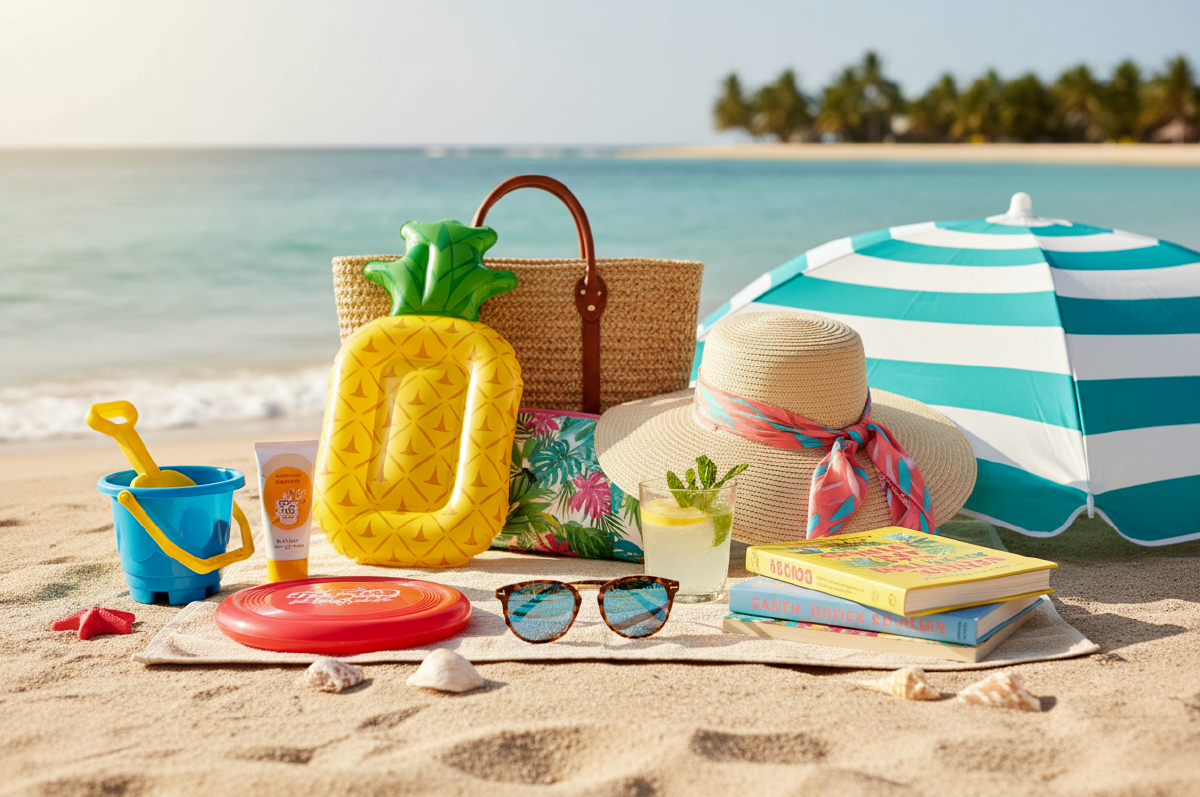
The honest truth about packing for Malta: you don’t need much, but the small things matter. Limestone steps eat shoes. The summer sun reflects off the white stone and burns the bits sunscreen ads ignore (the bottom of your feet at the beach, the back of your hands holding a phone). The winter wind on the Dingli cliffs in February is colder than the temperature suggests. And the water shoes you almost-skipped are the ones you’ll wish you packed when you’re trying to climb out of a rocky cove with the tide picking up.
This list is what we’d actually pack for a 5–7 day Malta trip in each season, with the Amazon picks we’d buy if we needed to replace anything before flying. It’s not exhaustive — it’s the gear that earns its space.
For seasonal context see best time to visit Malta and Malta in winter.
Some links below are affiliate links — they don’t change your price, and they help keep this guide running.
The Malta-specific small things (the part most lists miss)#
Five items where Malta differs from a generic Mediterranean trip:
- Water shoes / reef shoes. Most of Malta’s “beaches” are rocky coves with sea-urchins lurking under flat rocks. Cheap rubber-sole water shoes (€15–25 on Amazon) save your feet at St Peter’s Pool, Wied iż-Żurrieq, Comino’s Crystal Lagoon, and most Gozo coves. Bring them.
- A real microfibre travel towel. Maltese hotels charge €10–15 for “beach towel rental.” A €15 microfibre towel from Amazon pays for itself on Day 2.
- A reusable 1L water bottle. Maltese tap water is safe (desalinated) but minerally; restaurants charge €3–4 for bottled water. A filter bottle (LifeStraw, Brita, Grayl) cuts the cost and the plastic.
- A light scarf or shawl. Useful for cathedral entries (St John’s, Mdina Cathedral, Mosta Dome require shoulders and knees covered) and as a sun-shawl on the Comino boat. One light cotton scarf does both jobs.
- A power bank. Maltese ferry rides, Comino boat days, and full sightseeing days drain phones fast. 10,000 mAh is the right size — fits in carry-on, charges a phone twice.
If you only add five things to a generic Mediterranean packing list, those are the five.
Summer packing list (May–October)#
Clothes#
For 7 days, mid-summer:
- 3–4 t-shirts or breathable tops — linen, cotton, or technical (Uniqlo Airism is fine)
- 2 pairs lightweight shorts
- 1 pair lightweight long pants for cooler evenings, mosquitoes, and cathedral visits
- 1 light long-sleeve shirt for sun protection and slightly chilly evening boats
- 2 dresses or “going-out” outfits if you’ll do nice dinners — Maltese restaurants are casual but Sliema/St Julian’s nightlife dresses up
- 1 lightweight cardigan or fleece — air-conditioning indoors, evening boat winds
- 5–7 pairs underwear and socks — fewer if you’ll wash mid-trip
- 2 swimsuits — one wet, one dry, daily rotation
- Pyjamas / sleepwear
Shoes#
The single most-asked question: what shoes work on Maltese limestone?
| Shoe | Why |
|---|---|
| Sturdy walking sandals (Tevas, Chacos, Keens) | Limestone-friendly, beach-friendly, dries fast — the all-day shoe |
| Lightweight walking shoes / trainers | For Mdina/Valletta walking tours and the Dingli/Buskett hike |
| Flip-flops | Hotel pool, Sliema seafront strolls |
| Water shoes | Rocky beaches, sea-urchin protection |
| Heels / smart shoes (optional) | Skip unless you have a specific dinner reservation. Maltese cobblestone destroys heels. |
Skip: hiking boots (overkill, hot), Crocs (hot, no support on stone), and any sandals with thin straps that’ll snap on a Mdina staircase.
Sun protection#
Malta’s summer UV index hits 9–11 (extreme) in July and August. Treat it seriously.
- High-SPF sunscreen (SPF 50) — locally €15–25 a tube. Bring it from home to save money and have a brand you trust.
- Aftersun lotion — Aloe vera or basic Banana Boat. Maltese pharmacies stock it but mark it up.
- Wide-brimmed hat or cap — the bucket hat is the Maltese-summer survival item.
- Polarised sunglasses — limestone glare is real. Cheap polarised sunglasses (€15–30) make a bigger difference than premium frames.
- Lip balm with SPF — the bit everyone forgets.
Beach and water#
- Microfibre travel towel — light, packable, dries fast
- Snorkel and mask (optional) — most boat tours include them; if you’ll snorkel a lot independently (Comino, Crystal Lagoon, St Peter’s Pool), bring your own for fit
- Dry bag (10–20L) — for boat days and the Comino cruise
- Reef-safe sunscreen if you’re snorkelling much — Malta’s reefs are protected
- Goggles if you swim laps regularly
Gear#
- Day backpack (15–20L) for tours, beach days
- Power bank (10,000 mAh)
- Universal travel adapter — Malta uses UK 3-pin plugs (Type G). EU and US travellers always need one
- Small first-aid kit — plasters, antihistamines, ibuprofen, anti-diarrhoeal
- Phone, charger, headphones
- Reusable water bottle (1L)
Documents#
- Passport + photo of passport saved in cloud
- Travel insurance details
- Driving licence + International Driving Permit (US, AU, NZ visitors who plan to drive)
- Credit card + backup debit card
- Some euro cash (~€100) — Maltese cash machines work fine but Crystal Palace pastizzi is cash-only
Winter packing list (November–March)#
Malta in winter is mild (12–18°C daytime), occasionally wet, and windier than the temperature suggests. The packing list shifts:
Clothes#
- 2–3 long-sleeve tops or thin sweaters
- 2 pairs long pants / chinos
- 1 pair shorts (a sunny February afternoon at Dingli is shorts weather)
- 1 fleece or light wool jumper
- 1 packable down jacket — surprisingly useful in January–February, light enough to stuff in a daypack
- 1 waterproof rain jacket — proper waterproof, not “water-resistant”
- 2 pairs socks per 3 days, including 1 pair wool
- Pyjamas / sleepwear
- 1 swimsuit if your hotel has a heated pool or sauna
- Scarf / beanie / light gloves — for the Dingli morning windier days
Layering matters more than warmth. A t-shirt + long-sleeve + fleece + rain jacket is the kit you’ll wear most often. Pack so you can shed half on a sunny lunch and add it back on a windy walk.
Shoes#
- Waterproof walking shoes / boots — limestone gets slippery when wet
- A pair of casual shoes for dinners
- Skip: flip-flops, sandals (you won’t use them), hiking boots (overkill)
Other essentials#
- Sunscreen (SPF 30) — yes, even in February. The Maltese sun is still bright on clear winter days.
- Sunglasses
- Reusable water bottle
- Power bank
- Travel adapter (Type G UK plug)
- Day backpack
- Light scarf for cathedrals (also doubles as winter neck-warmer)
What to skip#
A short list of things travel blogs recommend that we wouldn’t bring:
- Hiking boots — overkill for the Dingli–Buskett walk, hot in summer
- A heavy “winter” jacket — Malta does not get cold enough for a parka
- Money belt / hidden pouch — Malta’s pickpocket risk is very low; a normal wallet in a front pocket is fine
- Travel iron — Maltese hotels at 3-star and above all have one
- Big bottles of toiletries — you can buy any toiletry in any Maltese supermarket
- A formal dress / suit — Maltese restaurants and bars are casual; smart-casual is the ceiling
- A “modesty kit” of long skirts and full-coverage tops — Malta is Catholic but not strict; a light scarf for cathedrals is enough
- Beach umbrella, beach mat, big towels — bulky, expensive in luggage allowance, easy to rent at any Maltese beach (€5–10/day)
- A second pair of identical sandals — one good pair is enough; if they break, every Maltese village has a shop
- Travel pillow for the flight from Europe — Malta is a 2.5–3 hour flight from most European hubs
What to buy when you arrive#
Some things are easier (and cheaper) to buy in Malta than to pack:
- Beach umbrella, mat, ball, snorkels — €5–25 at any Sliema or Buġibba beach shop
- Cheap straw hat — €5 at a Sliema seafront stall; better-looking than what you’ll bring
- Maltese sea salt for cooking back home — €4–8 at any Gozo grocer
- Local SIM card — €15 for 7 days unlimited at any Vodafone, Melita, or Epic shop
- Sun lotion if you forget — pharmacies stock all major brands at 30–50% above home prices
Summer day-bag (what you take on a day out)#
The contents of the daypack on a typical July sightseeing day:
- 1L water bottle (fill at the hotel)
- Sunscreen (small 50ml tube, easier than the full bottle)
- Hat
- Sunglasses
- Phone + charger cable + power bank
- Wallet (small €20 cash + credit card + Tallinja card)
- Passport copy on phone
- Light scarf for cathedrals
- Snack (banana, pastizzi from the morning bakery)
- Hand sanitiser
That’s the bag. For Comino-day or beach-day add microfibre towel, dry bag, snorkel mask, water shoes, swimsuit, change of underwear.
Boat-day packing (Comino, sunset cruise, sailing)#
A different kit for the days you’re on the water:
- Swimsuit (already wearing)
- Cover-up (light cotton dress or shirt)
- Microfibre towel
- Sandals + water shoes
- 1L water bottle
- Sunscreen (reef-safe if snorkelling)
- Hat with chin strap (windy)
- Sunglasses
- Sea-sickness pills if you’re prone — take 30 minutes before boarding, not after
- Dry bag for phone, wallet, passport
- Light cardigan for evening (sunset cruises get cold once the sun’s down)
- Cash for the bar / kiosk on board
For the boat tour breakdowns see Blue Lagoon Comino tours and best Malta sunset cruises.
Carry-on vs checked bag#
For 5–7 days in Malta, carry-on only is genuinely doable — clothes are light, you can wash a t-shirt in a hotel sink, and the duty-free liquid-allowance covers your sunscreen.
The only reasons to check a bag:
- You’re bringing your own snorkel + fins + dive gear
- You’re flying with a budget airline that charges more for carry-on than checked
- You’ll come back loaded with Maltese wine and sea salt (we’d recommend this; one extra bottle of Marsovin is a good souvenir)
For the wider trip-cost picture see Malta travel costs.
Insider tips#
- Pack a swimsuit in your hand luggage even if you’re checking a bag. Malta’s airport-to-Sliema route is fast enough that you can be at the beach within 90 minutes of landing — useful if your luggage is delayed.
- Don’t pack hairdryers or curling irons. Maltese 3-star and above hotels all have hairdryers; the voltage on a UK adapter is also fine for most US devices but heat-styling tools can blow.
- Bring a small ziplock bag for wet swimsuits. Saves your bag on travel days.
- Maltese pharmacies (Greens, Brown’s) stock most everything. If you forget anything from sunscreen to inhalers to contact lens fluid, walk into one. Prescription items: bring your own.
- A small clip-on fan is overkill in summer hotels (all have AC) but useful for Mdina and Comino boat days in July.
- Pack a phone-mountable lanyard or neck strap. Boat days on Comino are the leading cause of dropped phones in Malta.
Common packing mistakes#
- Underestimating the sun. SPF 30 won’t cut it in July. SPF 50, reapplied every 2 hours, plus a hat and shade.
- Bringing only flip-flops. Limestone stairs in Mdina or Valletta will give you blisters. Bring closed-toe walking shoes too.
- Packing a thick “winter coat” for January Malta. Mild temperatures + bright sun mid-day + windy evenings = layers, not bulk.
- Skipping water shoes. St Peter’s Pool, Wied iż-Żurrieq, the rocky coves of Gozo — you’ll regret it.
- Bringing big toiletries. Maltese pharmacies sell everything. A 100ml dropper bottle of your favourite shampoo for the trip + restock at a Maltese shop saves a kilo of luggage weight.
- No light scarf for cathedrals. St John’s Co-Cathedral and Mdina Cathedral both require shoulders covered. They lend cover-ups but a scarf is yours and looks better.
- A “modest covering” full kit. Malta is not strict. Shoulders covered for cathedrals, normal beachwear at the beach. A light cotton scarf is the only modesty item you need.
A few specific picks#
If you’d rather just buy the lot and not think about it, here’s the short-list we’d actually order — links go to Amazon:
- Microfibre travel towel — Rainleaf or PackTowl, €15–20 for the medium size. The one purchase that quietly pays for itself by Day 2 of beach-towel rental.
- Water shoes — Speedo or Aleader, €15–25. Your feet at St Peter’s Pool will write you a thank-you note.
- Reusable filter water bottle — LifeStraw Go 1L, €35
- 10,000 mAh power bank — Anker PowerCore, €25–30
- UK Type G travel adapter — universal one with USB-C, €15–20
- Reef-safe sunscreen SPF 50 — Stream2Sea or Banana Boat Reef Friendly, €15–20
- Microfibre packing cubes (set of 3) — Eagle Creek or Bagail, €20–30
You can buy all of these in Sliema for 30–50% more, or in Maltese pharmacies/supermarkets at marked-up tourist prices. Pack from home if you can.
How packing scales with trip length#
- 1-day layover or cruise stop: Day-bag only. Hat, sunglasses, water bottle, light scarf, comfortable walking shoes.
- 3 days: One small carry-on. 2–3 outfits, swimsuit, sandals + walking shoes, sun gear.
- 5–7 days: One carry-on or light checked bag. Add a fleece or light layers, water shoes, microfibre towel.
- 10+ days: Same kit as 7 days — Maltese hotels and Airbnbs all have washing machines or laundry services (€8–15/load).
For trip-by-trip planning see 3 days in Malta, 5 days Malta + Gozo, and 7 days in Malta.
FAQ#
What should I pack for Malta in summer?#
Light layers, swimwear x2, walking shoes that handle limestone steps, sturdy sandals, a hat, SPF 50 sunscreen, polarised sunglasses, water shoes for rocky beaches, a microfibre towel, and a light scarf for cathedrals. Skip hiking boots and heavy clothing.
What should I pack for Malta in winter?#
Layered shirts and light sweaters, a fleece, a packable down jacket, a waterproof rain jacket, waterproof walking shoes, sunscreen (yes, in winter too), and a scarf. Pack for layers + rain, not for cold. Daytime is 12–18°C.
Do I need water shoes in Malta?#
Yes, for rocky beaches and Comino. Malta’s beach access is mostly limestone or rock; sea-urchins are common in shallow water. Cheap water shoes (€15–25 on Amazon) save your feet at St Peter’s Pool, Wied iż-Żurrieq, and the Crystal Lagoon.
Do I need to dress modestly in Malta?#
Only inside cathedrals. Shoulders and knees covered for St John’s Co-Cathedral, Mdina Cathedral, Mosta Dome. A light cotton scarf is enough. Beachwear, shorts, and tank tops are normal everywhere else.
What kind of plug does Malta use?#
Type G — the UK 3-pin plug. EU and US travellers always need an adapter. Voltage is 230V; most modern phone/laptop chargers handle it.
Is Malta safe for solo female travellers in terms of packing?#
Yes — pickpocketing is very rare and you don’t need a money belt or hidden pouch. Pack normally, keep your phone in a front pocket on Sliema seafront crowds, and use the hotel safe for passports.
Can I drink the tap water in Malta?#
Yes, technically — it’s safe (desalinated), but heavily mineralised; most locals drink filtered or bottled. A filter water bottle is the right answer for budget-conscious travellers.
Do I need a SIM card or roaming?#
EU phone plans roam on Malta with no extra fee. US/UK travellers should buy a local SIM (Vodafone, Melita, Epic — €15 for 7 days unlimited at any kiosk) or use eSIM apps like Airalo. Hotel and cafe Wi-Fi is generally good.
What’s the one thing most travellers forget for Malta?#
Water shoes. Followed by a light scarf for cathedrals, reef-safe sunscreen, and a proper rain jacket for winter visits. The four things that improve a Malta trip more than their bag-space cost.
Last verified: April 2026. Product prices and availability change — confirm before purchasing. Some links above are Amazon affiliate links; they don’t change your price.