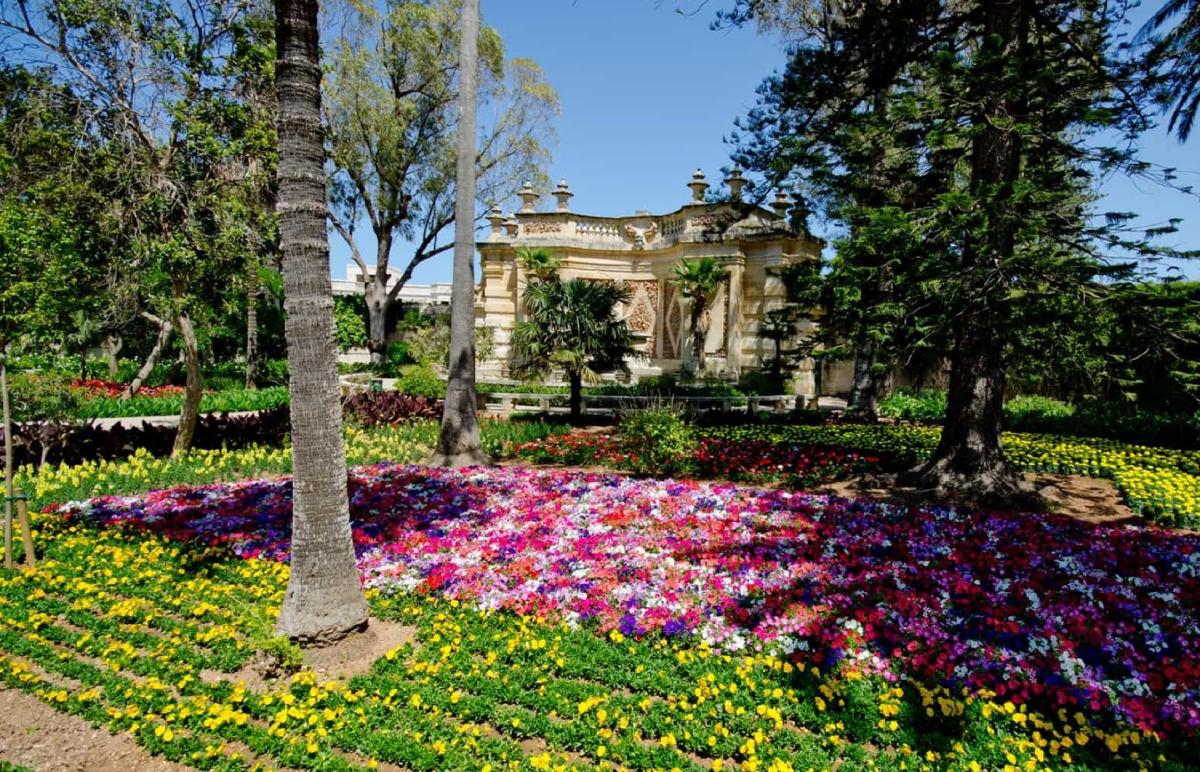
Malta is a year-round destination in the strict sense — restaurants stay open, planes still land, Valletta still looks like Valletta in February. But the experience changes more than people expect from one month to the next. The Blue Lagoon in October is empty water and limestone; in August it’s a floating queue. The Tallinja bus to Mdina is a calm 30 minutes in March and a sweaty hour in July. And the price of a hotel in Sliema swings by 60% across the calendar.
Here’s the honest, month-by-month read on when to come — what the weather is actually doing, what the sea is actually doing, and what you’ll spend when you get there.
Some links below are affiliate links — they don’t change your price.
The headline read#
| Season | Months | Air temp (day) | Sea temp | Crowds | Hotel price | Verdict |
|---|---|---|---|---|---|---|
| Winter | Dec–Feb | 14–17°C | 15–17°C | Lowest | Lowest | Mild but sea-cold |
| Spring | Mar–Apr | 16–22°C | 16–18°C | Low | Low–medium | Beautiful walking, sea still cold |
| Late spring | May | 22–26°C | 19–22°C | Medium | Medium | One of the best months |
| Early summer | Jun | 26–30°C | 22–25°C | High | High | Excellent, peak swimming |
| Peak summer | Jul–Aug | 30–34°C | 26–28°C | Highest | Highest | Hot, crowded, expensive |
| Early autumn | Sep | 27–30°C | 26–27°C | Medium-high | High | The best swim weather of the year |
| Late autumn | Oct | 22–26°C | 24–25°C | Medium | Medium | Joint-best month with May |
| Late autumn | Nov | 18–22°C | 21–22°C | Low | Low | Mild, last swimmable month |
Month by month#
January — quiet, mild, bargain-priced#
Average daytime: 15°C. Sea: 15–16°C (not for swimming). Rain: a few days, mostly short.
January in Malta is the cheapest time to come and one of the more underrated months for travellers who don’t care about beaches. Valletta’s morning light in winter is some of the best in the Mediterranean. Mdina is genuinely quiet. Carnival kicks off around the Feast of St Paul (10 February) and runs for the rest of the month into Lent.
Pick this if: you want city walking, food, and history without crowds, and you’re booking on a budget.
Skip if: swimming, boat tours, or warm-weather lounging matter to you. Comino tours run a reduced schedule and cancel often.
February — Carnival and shoulder bargains#
Daytime: 15–17°C. Sea: 15–16°C. Rain: occasional.
Malta’s Carnival is Catholic-Mediterranean theatrical — parades in Valletta, costumes, floats, traditional foods like prinjolata. The shoulder pricing is still in effect. Days are getting longer; Mdina’s bastions catch usable light by 17:00.
Pick this if: you want a small but real cultural event, you’re a photographer, or you’re stretching a long winter weekend.
Skip if: you wanted a beach holiday.
March — pre-spring, soft light, Easter fluctuates#
Daytime: 17–19°C. Sea: 16°C. Rain: 4–6 days typical.
Sicilian-style spring weather — wildflowers on the bastions, almond blossom on Gozo, occasional rain showers that pass quickly. Easter sometimes falls in late March (check the calendar — Easter is the only week of March that books up like high season). Hotels are still affordable outside that.
Pick this if: you want walking weather and don’t mind cool sea.
Skip if: Easter is the week you’d be coming and your dates are flexible — book May instead.
April — Easter peak, otherwise lovely#
Daytime: 18–22°C. Sea: 17–18°C. Rain: 2–4 days.
The first month where the sea looks credible without being swimmable, and the air is reliably warm. Mdina at Dusk events start; the Three Cities feels alive again; outdoor dining works without a jumper. Easter week is the one expensive blip — book early or push to late April.
Pick this if: you want the loveliest weather without the summer crowd, and you can avoid Easter week.
Skip if: you absolutely need to swim — wait three weeks.
May — first great month#
Daytime: 22–26°C. Sea: 19–22°C (swimmable from mid-month). Rain: 1–3 days.
May is the first month we’d book without hesitation. The water warms enough by week 2 to swim properly; the air is t-shirt-warm; the crowds are still light enough that the Blue Lagoon is photogenic; Comino tours run a full schedule. Late May is also one of the best Marsaxlokk fish-market weekends of the year — local crowd, mild weather, perfect outdoor lunch.
Pick this if: you want the best weather-to-crowd ratio of the year. This is the month we’d book first.
Skip if: you’re chasing 30°C heat and full beach-club atmosphere — wait for June or July.
June — peak season begins#
Daytime: 26–30°C. Sea: 22–25°C. Rain: rare.
June is summer in earnest. Crowd levels build week by week; school-holiday traffic from northern Europe arrives mid-month. The sea is finally warm-warm, and the boat-tour schedules are at full capacity. Valletta in mid-afternoon is hot enough that you’ll want shade, but the bastions in the evening are golden.
Pick this if: you want full swim weather, full tour schedules, and you don’t mind paying near-peak hotel rates.
Skip if: crowds and €180 hotel rooms aren’t your speed — May does most of this for less.
July — peak crowd, peak heat#
Daytime: 30–33°C. Sea: 25–27°C. Rain: almost none.
Hot, busy, and expensive. Malta International Arts Festival runs in early July; L-Imnarja (a traditional folk festival in Buskett Gardens) is on 28–29 June straddling into July. The Blue Lagoon between 11:30 and 14:00 is a queue. Bus 222 to Cirkewwa in summer traffic is a slow-cooked existential crisis. Hotels run 60% above shoulder rates.
Pick this if: you want guaranteed sun, you’re tied to school-holiday dates, or you specifically want the lively beach-club scene.
Skip if: you can move your dates by two weeks — late June or early September is significantly better.
August — peak peak, Santa Marija#
Daytime: 30–34°C. Sea: 26–28°C. Rain: zero.
The hottest, busiest, most expensive month. 15 August (Santa Marija) is one of Malta’s biggest religious feast days — eight villages celebrate simultaneously, and the Mosta Dome is the showpiece. Locals largely take the second half of August off; restaurants shut for a week, traffic is gentler than July, and the country runs on a holiday rhythm.
Pick this if: you’ve got school-holiday dates that don’t move and want full beach-club energy.
Skip if: you can avoid it. August is when Malta is least itself.
September — best swim month of the year#
Daytime: 27–30°C. Sea: 26–27°C. Rain: 1–2 days late month.
September is our other vote for the year’s best month. The water is at its warmest of the entire calendar (it’s been heating up all summer), air temperatures drop a few degrees from August, the school-holiday families have left, and prices come back down 20–30% from peak. The Blue Lagoon is still warm but no longer mobbed. Late September might catch the year’s first storm — usually one, brief, then back to clear.
Pick this if: you want the swim weather of August with half the crowd. Joint best month with May, and possibly a nose ahead because the sea is warmer.
Skip if: you’re trying to dodge any chance of rain — late September has a 10% rain risk.
October — last great month for tours#
Daytime: 22–26°C. Sea: 24–25°C. Rain: 3–5 days.
October is the year’s underrated month. Air temperatures are perfect for walking Valletta and Mdina, the sea is still warm enough to swim into the second half of the month, and Comino tours run a near-full schedule until the third week. Hotel prices drop fast after the first week. Notte Bianca (Valletta’s all-night arts and culture festival) is in early October and worth planning a weekend around.
Pick this if: you want shoulder pricing with summer-quality water.
Skip if: you need August-grade beach weather — by late October the sea cools enough that morning swims feel cold.
November — shoulder, mild, last swim window#
Daytime: 18–22°C. Sea: 20–22°C. Rain: 5–8 days.
The end of the swimming season. The sea is still mild enough to enter; the boat tours have moved to a reduced schedule; hotels are at low-season pricing. Walking weather is excellent. Sunset is around 17:00 by month-end, so plan your daylight around it.
Pick this if: you want bargain rates and don’t mind that the day shortens early.
Skip if: you want full tour schedules — by mid-November some Comino operators move to weekend-only.
December — quiet, mild, festive in a low-key way#
Daytime: 15–18°C. Sea: 17–18°C (no longer swimmable). Rain: 5–8 days.
December in Malta is a sleeper. The country goes properly festive — village squares decorated, midnight Mass at Mdina Cathedral, illuminated processions, mince pies showing up at the better cafés. Hotels are at their lowest rates of the year except for the Christmas/New Year week. Weather is gentle: daytime walks need a light jacket only.
Pick this if: you want a quiet, low-budget winter break with culture and food.
Skip if: you wanted to swim or take boats. Most Comino operators close from mid-November to mid-March.
Best month for each kind of trip#
| Trip type | Best month | Runner-up |
|---|---|---|
| Beach + swimming | September | June, late August |
| City walking + history | May | October, March |
| Diving | June or September | May, October |
| Best-value all-rounder | May | September |
| Quiet & cheap | November | February |
| Festas & culture | August (Santa Marija) | February (Carnival) |
| Honeymoon / couples | Late May | Mid-October |
| Family with kids | June (pre-school holiday peak) | September |
When to avoid#
- Easter week — fluctuating dates, hotels go full and prices spike.
- 15 August (Santa Marija) — peak crowd in places like Mdina and the village hosting the feast. Beautiful to witness, miserable to commute through.
- Mid-July to mid-August broadly — hot enough that midday walks aren’t fun and the Blue Lagoon at peak hour isn’t worth the trip.
- The week of 1 May (Workers’ Day) if you’re coming from Italy — Italian holidaymakers fill Sliema and Mellieħa.
- Christmas through 2 January — paradoxically expensive in a low-season month because flights spike.
Costs by season (rough)#
| Item | Low season (Nov–Mar) | Shoulder (Apr–May, Oct) | High (Jun, Sep) | Peak (Jul–Aug) |
|---|---|---|---|---|
| Mid-range hotel, double | €70–110 | €100–150 | €130–200 | €180–280 |
| Sit-down lunch | €15–22 | €18–25 | €22–28 | €25–35 |
| Bus single | €1.50 | €1.50 / €2.50 (summer surcharge from 15 Jun) | €2.50 | €2.50 |
| Comino full-day cruise | n/a (closed) | €30 (May/Oct) | €35–45 | €40–55 |
| Bolt Sliema → Ċirkewwa | €18–25 | €25–35 | €30–40 | €35–50 |
For full daily-budget breakdowns by traveller type, see Malta travel costs.
Internal cross-references for trip-planning#
- Building an itinerary? See 3 days in Malta or the longer 5-day Malta and Gozo itinerary.
- Booking tours by month — the best Malta tours post flags which run year-round vs. summer-only.
- Picking a base — where to stay in Malta varies its recommendations by season (Sliema in summer, Valletta off-season).
- Coming in winter? The Malta winter itinerary is the dedicated cold-weather companion piece.
FAQ#
What is the best month to visit Malta?#
Late May or mid-September — warm enough to swim, warm enough to walk, and quiet enough that the Blue Lagoon still looks like the photos. Both months sit in the sweet spot of warm sea and shoulder-season pricing. October is a strong runner-up.
Is Malta too hot in July and August?#
Daytime temperatures of 30–34°C with low wind on the inland routes (Mdina, Mosta, the temples) make midday walks unpleasant. Coastal areas (Sliema, Valletta, Gozo) catch a sea breeze and stay tolerable. If you’re coming in July or August, plan inland sights for mornings before 11:00 or evenings after 17:00, and use the middle of the day for swimming or shaded lunches.
When is the cheapest time to visit Malta?#
January, February, and November — hotel rates are 40–60% below peak, flights are bargain, and many tours offer winter rates. The trade-off is no swimming and reduced boat-tour schedules. Christmas/New Year week is an expensive exception inside an otherwise cheap month.
What’s the warmest month for swimming in Malta?#
September — the Mediterranean retains its summer heat after the air has started cooling, so the sea is at its calendar maximum (26–27°C). August is a close second for sea temperature but more crowded; June is too early for the warmest water.
Does Malta have a rainy season?#
Lightly. November through February sees the most rainfall — usually short bursts, rarely full-day rain. Annual total is low (~550mm, similar to southern Spain). May, June, July and August are nearly rain-free; September catches the first autumn storms in the second half of the month.
When is Carnival in Malta?#
Late February or early March — Carnival ends on Shrove Tuesday, just before Lent, and the dates shift each year. Valletta hosts the main parades; the Gozitan town of Nadur runs a more anarchic, costume-heavy version on the same weekend.
Is Malta good for a winter sun holiday?#
Mild rather than warm — December–February daytime temperatures sit at 14–17°C, which is jacket-and-walking weather rather than beach weather. Sunshine is plentiful (5–6 hours/day even in midwinter), so it works for a city-and-food break, not a beach break. For warmer winter sun in the Mediterranean, the Canary Islands or Cyprus’s south coast are better picks.
When do Comino boat tours stop running?#
Most operators wind down to weekend-only schedules from mid-November, then close completely from mid-December to mid-March. A handful of small-boat charters run year-round on calm-weather days. Big-boat cruises resume in April; full schedules return in May.
Last verified: April 2026. Weather averages and event dates are based on Maltese tourism authority and Met Office Malta data; festival dates and tour schedules can shift year-to-year — confirm before booking.