Planning to explore Malta’s islands? These guides cover everything you need — ferries, schedules, prices, and honest advice on the best way to visit Gozo, Comino, and beyond.
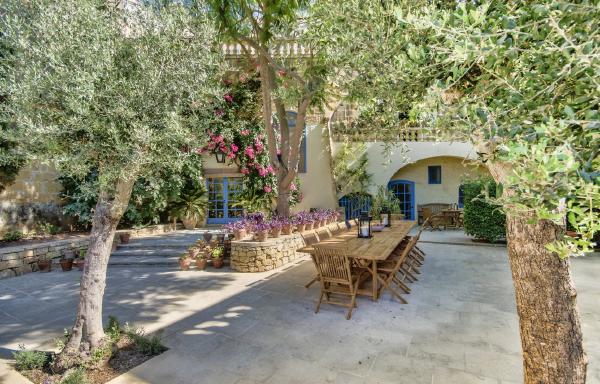
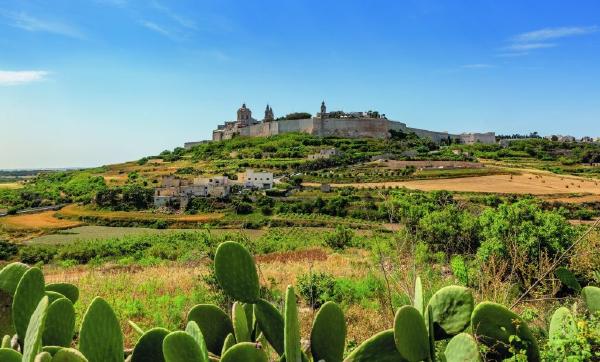
ℹ️ Short answer: Mdina has only a handful of in-walls hotels (the Silent City has 250 residents, not 25,000), and The Xara Palace is the headline luxury pick. Just outside the walls in Rabat, Casa Melita and several smaller boutique guesthouses run at lower rates. Gozo is the boutique-and-farmhouse heaven — Cesca Boutique Hotel and Quaint Sannat lead the boutique pack, while traditional Gozitan farmhouses for whole-house rentals (€120–300/night, sleeping 4–8) are one of the best lodging experiences in the Mediterranean. Book 8–12 weeks ahead for summer. Mdina and Gozo are the two parts of the Maltese islands that reward slowing down. Both have boutique-hotel scenes that have grown quietly over the last decade — Mdina because the in-walls building stock is finite (so the conversions get serious treatment), Gozo because rural farmhouses became the Airbnb-and-boutique-hotel rehab project of the 2010s. The result: in Mdina you can sleep in a 17th-century palace overlooking the bastion walls, and in Gozo you can sleep in a converted three-century-old farmhouse with its own pool and a 360° view of nothing but limestone fields and church domes.
ℹ️ Short answer: The fastest, cheapest way to Comino is the shuttle ferry from Ċirkewwa (Malta’s northern tip), running every 30 minutes in summer for ~€15 return, 25-minute crossing. If you want the headline experience — Blue Lagoon plus Crystal Lagoon plus Gozo’s caves and lunch on board — book a full-day cruise from Sliema (€35–45). For the quietest swim, take a small-group RIB or catamaran from Mġarr or Buġibba (€60–100), which arrives before the big boats. Avoid 11:30–14:00 in July and August whichever option you pick. Comino has three permanent residents, no cars, no shops, one chapel, and somewhere between 6,000 and 10,000 day visitors a day in the high season. The island is 3.5 km², 90% of which is fenced-off Natura 2000 reserve, which means almost everyone is funnelled to the same 200 metres of coastline — the Blue Lagoon — at the same hours of the day. Picking the right way to get there isn’t a budget question. It’s a when do you want to be in the water question.
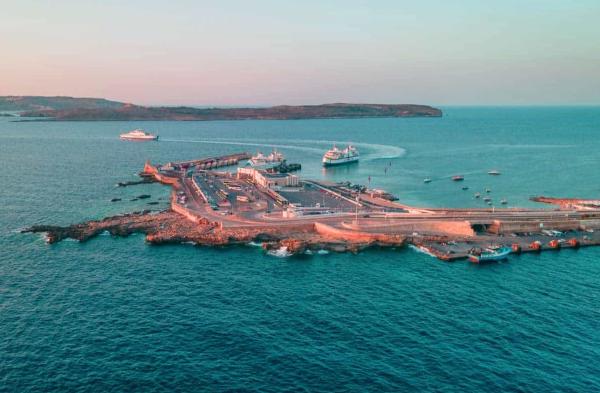
ℹ️ Short answer: The Gozo Channel ferry from Ċirkewwa (Malta) to Mġarr (Gozo) runs every 30–45 minutes in summer, takes 25 minutes, costs €4.65 return as a foot passenger (paid only on the way back from Gozo) and €15.70 return with a car. No advance booking — show up and pay. There’s also a Valletta fast ferry to Mġarr (45 minutes, €7.50 single) that saves the bus to Ċirkewwa if you’re staying in Valletta. Avoid Friday afternoons and Sunday evenings — car queues hit 90+ minutes. The ferry to Gozo is the smoothest piece of public transport in Malta, which is faint praise but accurate. Two boats, a 25-minute crossing, no booking, pay on the way back, and you’re on the second island. The whole system has run roughly the same way for decades and works because of it.
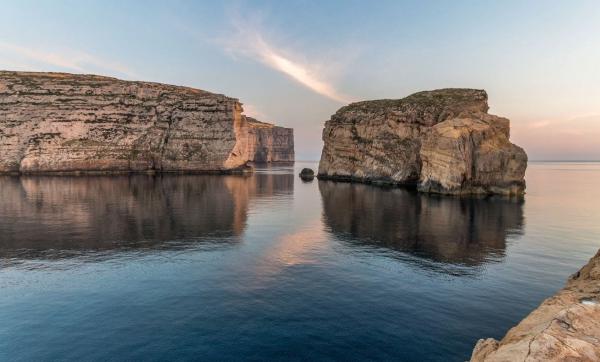
ℹ️ Short answer: The best Gozo day trip from Malta in 2026 is a small-group jeep tour from Mellieħa or Sliema (€75–95), which covers Dwejra, Tal-Mixta Cave, Ramla Bay, the Citadel, and a Gozitan lunch in one tightly-run day. The cheapest is DIY by ferry and bus (~€20 round trip including transport), the most fun in good weather is a quad-bike self-drive (€100/quad), and the laziest is the coach + Citadel + lunch combo (€55–70). The best advice we can give: if you can possibly stretch to two nights on Gozo, do that instead — see our 5-day Malta and Gozo itinerary for why. Gozo is the second-largest of the Maltese islands and, in the opinion of every Gozitan and most second-time visitors, the better one. Half the population per square kilometre, almost no traffic, red-sand beaches, the cliffs at Dwejra, the medieval Citadel of Victoria, dinners that don’t end at 22:00. The catch: Gozo doesn’t fit in a day. The bus-and-ferry chain alone costs you 90 minutes each way, and the headline sights are spread across an island that’s 14 km tip to tip.
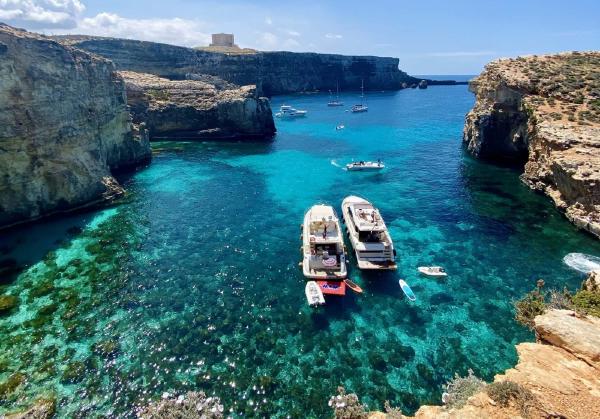
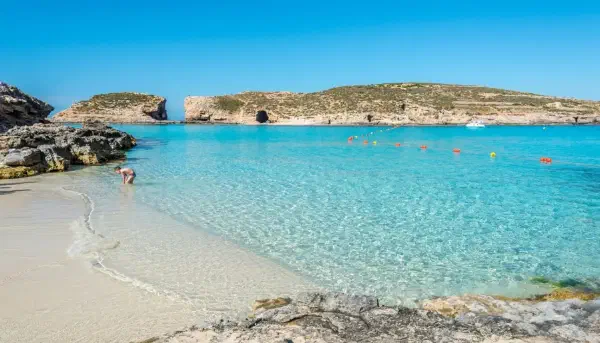
ℹ️ Short answer: The cheapest way to the Blue Lagoon is the Comino shuttle ferry from Ċirkewwa (~€15 round trip, runs every 30 minutes in summer). The most popular way is a full-day cruise from Sliema that adds the Crystal Lagoon, Gozo’s caves, and lunch (€35–45). The most enjoyable way — if you can spend €60–90 — is a small-group catamaran or RIB that arrives early or late and skips the worst of the midday crush. Whichever you choose, avoid 11:30–14:00 in July and August — the Lagoon is unrecognisable from the brochure photos at that hour. The Blue Lagoon — the impossibly turquoise channel between Comino and the tiny islet of Cominotto — is the photo every Malta brochure leads with, and it deserves the hype. The water really is that colour. The catch is that 6,000+ people a day arrive in the high season, almost all of them on the same big boats, almost all in the same three-hour window. Get the timing wrong and you’re elbowing toward a swim spot in water the colour of swimming-pool chemicals. Get it right and you’re floating in something genuinely surreal.
ℹ️ Short answer: Five days is the sweet spot for Malta and Gozo together — three nights on Malta (Valletta or Sliema), two nights on Gozo. Day 1 Valletta and the Three Cities, Day 2 Mdina and the south coast, Day 3 ferry to Gozo with a slow afternoon, Day 4 Gozo’s coast and the Citadel, Day 5 Comino’s Blue Lagoon on your way back. You’ll see the highlight reel without rushing, and Gozo gets the time it actually deserves rather than a frantic day trip. Most Malta-and-Gozo itineraries make the same mistake: they squeeze Gozo into a single 8-hour day-trip and then wonder why it didn’t feel like much. Gozo’s whole pitch is that it runs at a different speed — half the population per square kilometre, no traffic to speak of, dinners that finish when they finish. You don’t fix that with a coach tour. You fix it by sleeping there.