Golden limestone cliffs and Mediterranean sunsets. Pastizzi that makes you rethink everything you knew about street food. Ancient temples and hidden coastal views that take your breath away. Malta isn't just a destination — it's the trip you'll talk about for years. We're here to help you plan every bit of it.
ℹ️ Short answer: A realistic 2026 Malta budget per person per day, before flights: €55–80 backpacker, €120–180 mid-range, €250–450 splurge. A 7-day mid-range couple’s trip lands around €1,400–2,000 all-in (excluding flights). Summer (Jul–Aug) adds 30–60% to hotel rates; winter (Nov–Feb) drops them by half. Eating local pastizzi-and-ftira costs a third of hotel-restaurant prices and is genuinely better. Malta is cheaper than it looks if you eat where Maltese people eat, take the bus until the bus stops making sense, and don’t book a hotel on the Sliema seafront in August. It’s more expensive than you’d think if you do the standard “stay on the waterfront, eat at the restaurants with English menus, taxi everywhere” approach — at which point Malta in summer can quietly hit €300+ per person per day.
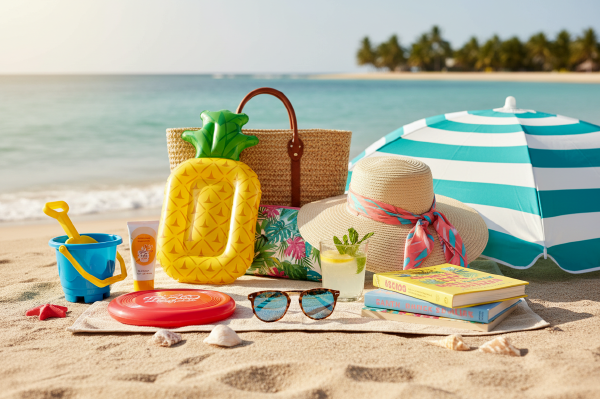
ℹ️ Short answer: Pack light layers, walking shoes you can do limestone steps in, and proper sun protection. The Maltese summer is hotter and brighter than most visitors expect; the winter is mild but wet. Skip: big hiking boots, heavy jackets, “modest covering” full kits (you only need a light scarf for cathedrals), and any “river-and-sea” sandals — Malta’s beach access is rocky, and you want either flip-flops or proper water shoes, not both. Most Malta-specific gear is cheaper to buy at home than in Sliema. The honest truth about packing for Malta: you don’t need much, but the small things matter. Limestone steps eat shoes. The summer sun reflects off the white stone and burns the bits sunscreen ads ignore (the bottom of your feet at the beach, the back of your hands holding a phone). The winter wind on the Dingli cliffs in February is colder than the temperature suggests. And the water shoes you almost-skipped are the ones you’ll wish you packed when you’re trying to climb out of a rocky cove with the tide picking up.
ℹ️ Short answer: The Malta Pass pays off for fast-moving sightseers doing 4+ paid attractions in 2–3 days — typically €20–40 of net savings on a 3-day pass. It does not pay off for slow travellers, beach-focused trips, families with under-10s, or anyone whose Malta plan is “Valletta + Comino + a few good lunches.” For most first-timers, buying tickets individually as you go is genuinely cheaper. We’d buy the pass for 3 specific traveller profiles and skip it for the rest. The Malta Pass is the island’s official tourist sightseeing pass — a single QR-code ticket that gets you into 30+ attractions, includes the hop-on hop-off buses, and aims to do for Malta what the London Pass does for London. Like every “city pass” ever invented, it’s a great deal for some travellers and a quiet money-pit for others, and the marketing copy doesn’t help you tell which one you are.
ℹ️ Short answer: The best time to visit Malta is late May to mid-June or mid-September to mid-October — warm enough to swim (24–26°C sea), warm enough to walk Mdina without melting (24–28°C air), and quiet enough that Comino’s Blue Lagoon still looks like the brochure. July and August are hot (30–34°C), crowded, and the Blue Lagoon at midday is unrecognisable. November to March is mild (15–18°C daytime), bargain-priced, often sunny, but the sea is too cold to swim and boat tours run reduced schedules. April and early May are spring-cool with patchy rain. We’d book May or September every time. Malta is a year-round destination in the strict sense — restaurants stay open, planes still land, Valletta still looks like Valletta in February. But the experience changes more than people expect from one month to the next. The Blue Lagoon in October is empty water and limestone; in August it’s a floating queue. The Tallinja bus to Mdina is a calm 30 minutes in March and a sweaty hour in July. And the price of a hotel in Sliema swings by 60% across the calendar.
ℹ️ Short answer: For most first-timers, Legligin for slow Maltese tasting (€35–55pp), Trabuxu Wine Bar for small plates and Maltese wine, and Nenu the Artisan Baker for a proper ftira lunch are the three Valletta restaurants worth booking. Noni and Caviar & Bull are the fine-dining picks (€80–130pp). Strait Street is where most evening eating happens; Republic Street is where the historic cafes live. Skip hotel-restaurant generic Mediterranean — Valletta is small enough that the working restaurants are 5 minutes from anywhere. Valletta is small. About 1km long and 600m wide, with maybe 80 restaurants and another 50 cafes and bars packed in between. The good news: the best ones are mostly local, mostly affordable, and walkable to from any Valletta hotel. The bad news: there are a fair number of “international Mediterranean” tourist traps with English menus on Republic Street that will sell you a €22 spaghetti carbonara that lives in a microwaveable form. This guide picks the restaurants that are worth your evening, broken down by what kind of meal you actually want.
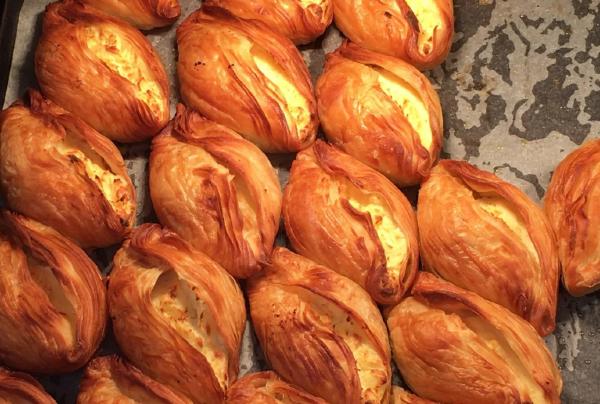
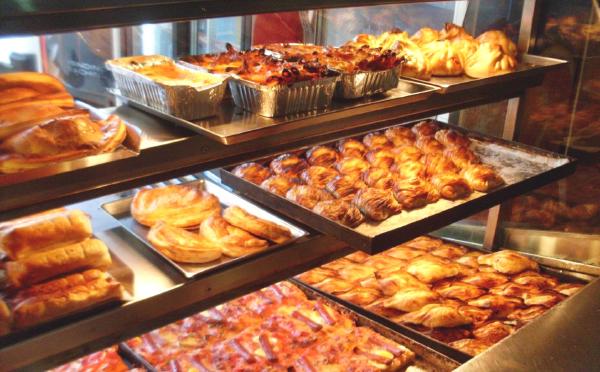
ℹ️ Short answer: The best pastizzi in Malta cost €0.50 each, are sold from holes-in-the-wall with no seating, and are best eaten at 09:00 standing up with a coffee. Crystal Palace in Rabat is the legendary one. Serkin (Crystal Palace’s neighbour, also Rabat) is the local rival. Maxim’s in Sliema is the convenient city pick. Pastizzeria Tal-Lord (Buġibba) is the north-coast classic. Anything sold for over €1 in a tourist-zone cafe is overpriced — the same pastizzo costs €0.50 a 5-minute walk away. There are food cultures where the best version of the national dish is in a 3-Michelin-star tasting room. There are food cultures where it’s in your aunt’s kitchen. Malta’s national dish — the pastizzo — is firmly in the third category: a 50-cent pastry from a hole in the wall in Rabat, eaten standing up at 09:00 with a coffee, in a queue of construction workers and pensioners.
ℹ️ Short answer: Maltese food is a 5,000-year layer cake — Phoenician fish, Arab spices, Sicilian pasta, North African pulses, British pies, all eaten on the limestone of a tiny island that taught itself to grow tomatoes the size of fists. The 15 dishes below are the ones to actually order: pastizzi, ftira, hobż biż-żejt, bigilla, fenek, lampuki, aljotta, bragioli, ravjul, kapunata, qaqocc mimli, kannoli, imqaret, prinjolata, and the Gozitan ftira (different from Malta’s). Skip the “international Mediterranean” hotel menus and stick to small family restaurants and bakeries. A useful thing to know about Malta: the island has been conquered, gifted, ruled, and squatted on by Phoenicians, Carthaginians, Romans, Byzantines, Arabs, Normans, Sicilians, the Knights of St John, French Napoleonic forces, and the British Empire — usually in that order, sometimes overlapping. Each one left ingredients, techniques, or whole dishes behind. The Maltese kept what worked.
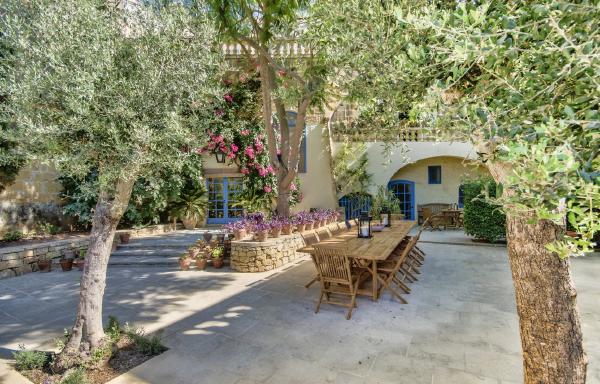
ℹ️ Short answer: Mdina has only a handful of in-walls hotels (the Silent City has 250 residents, not 25,000), and The Xara Palace is the headline luxury pick. Just outside the walls in Rabat, Casa Melita and several smaller boutique guesthouses run at lower rates. Gozo is the boutique-and-farmhouse heaven — Cesca Boutique Hotel and Quaint Sannat lead the boutique pack, while traditional Gozitan farmhouses for whole-house rentals (€120–300/night, sleeping 4–8) are one of the best lodging experiences in the Mediterranean. Book 8–12 weeks ahead for summer. Mdina and Gozo are the two parts of the Maltese islands that reward slowing down. Both have boutique-hotel scenes that have grown quietly over the last decade — Mdina because the in-walls building stock is finite (so the conversions get serious treatment), Gozo because rural farmhouses became the Airbnb-and-boutique-hotel rehab project of the 2010s. The result: in Mdina you can sleep in a 17th-century palace overlooking the bastion walls, and in Gozo you can sleep in a converted three-century-old farmhouse with its own pool and a 360° view of nothing but limestone fields and church domes.
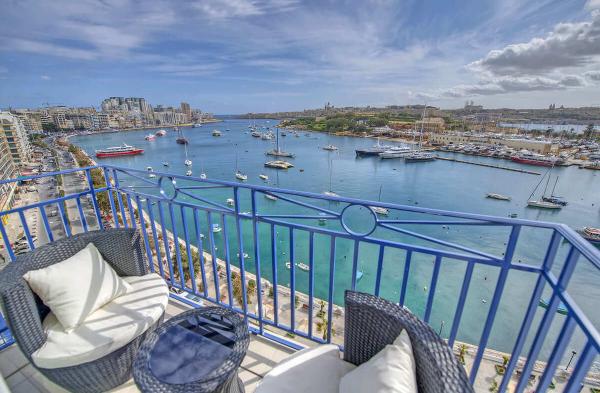
ℹ️ Short answer: Sliema is Malta’s most practical base — walkable seafront, ferry to Valletta in 8 minutes, every restaurant and cafe at hand. St Julian’s is the dressier neighbour. Paceville within St Julian’s is the nightclub strip and the right answer for almost no traveller. The high-end picks are the Westin Dragonara Resort, Hilton Malta, Le Méridien St Julian’s, AX Palace and The Hotel Phoenicia (Floriana, just outside Valletta). Mid-range: Hotel Juliani, Holiday Inn Express Sliema, Plaza Regency. Book seafront-facing rooms 8–12 weeks ahead in summer. Sliema and St Julian’s are where most Malta travellers actually sleep, and for good reason — between them they have 150+ hotels, every restaurant in the country in walking distance, the Sliema-Valletta ferry for sightseeing, and the Coast Road bus connections to everywhere else. The catch is that “Sliema and St Julian’s” is really four neighbourhoods stitched together, each with a very different sleeping experience: the Sliema seafront, inland Sliema (Tigné, Townsquare), St Julian’s Spinola Bay, and Paceville. Pick the wrong one and you’ll be 100m from a 04:00 nightclub bouncer when you wanted to be 100m from a quiet cafe.